You have probably noticed that the cost of living and global energy dynamics are shifting across Europe. If you own a primary home or a secondary property, it is completely normal to wonder about electricity prices in Spain and what you can do to keep your household overheads fully optimized.
 News coverage surrounding electricity price increases and market volatility can easily generate unnecessary worry for international residents. However, understanding the basic factors driving why are energy prices going up allows you to take control of your property’s energy management.
In this guide, we will break down the current state of the Spanish market, reveal how to spot hidden contract traps, and show you how partnering with a transparent provider ensures total peace of mind.
Why is the cost of electricity rising in the current market?
The cost of electricity in Spain is driven by a combination of international market dynamics and specific domestic market mechanisms:
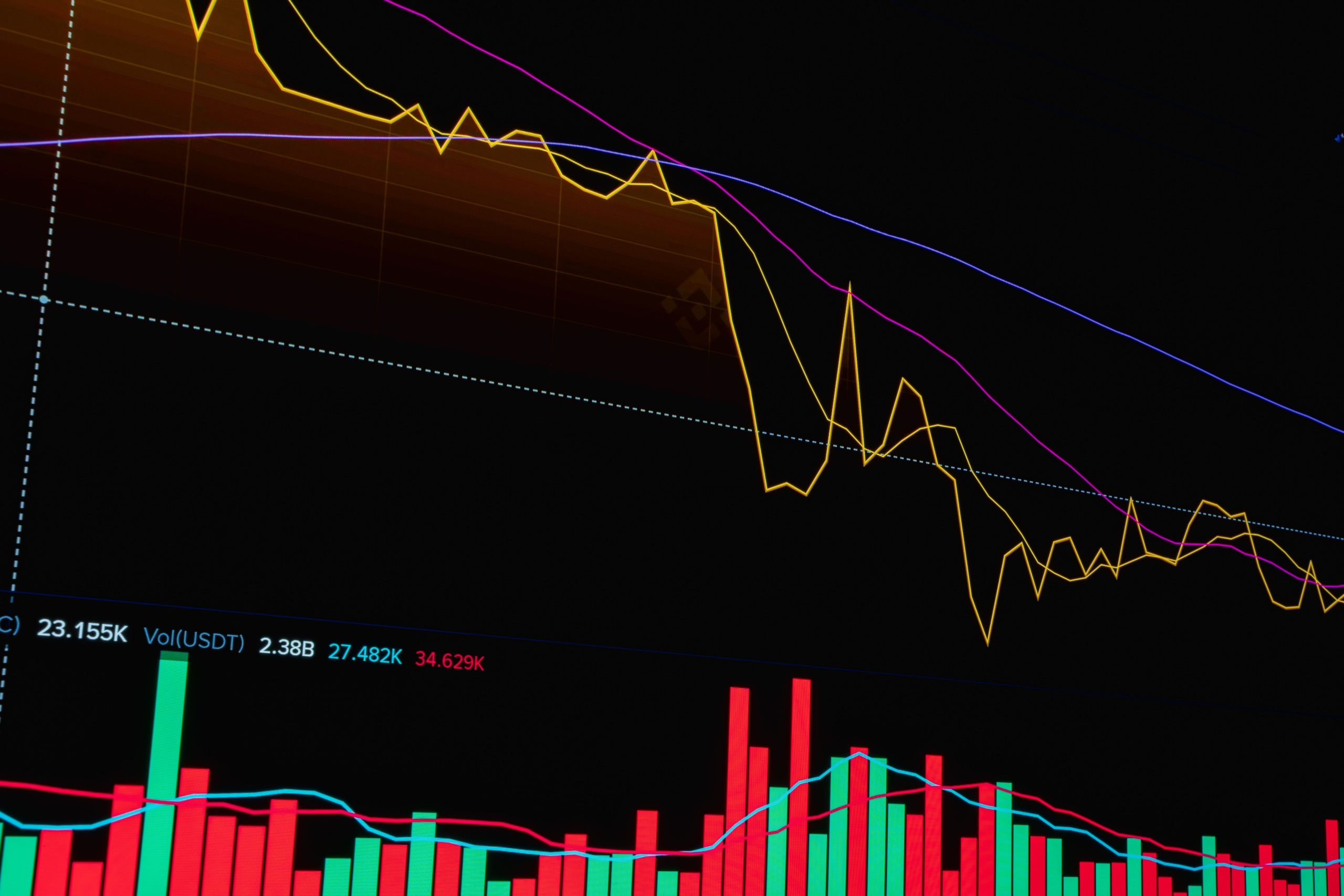
- The Marginal Wholesale Auction System (OMIE): Spain’s daily electricity price is determined through the market operator OMIE. In this daily auction, all electricity generated for a given hour is paid at the rate of the last (and most expensive) power plant needed to meet demand. When gas-fired combined-cycle plants step in to cover high demand, they set the price for all energy generated during that hour, driving up overall market rates.
- National Demand & Climate Factors: Domestic consumption experiences sharp seasonal spikes during intense summer heatwaves (air conditioning) and winter cold snaps. Additionally, solar and wind generation vary daily; when weather conditions limit renewable output, the national grid must rely on fossil fuel back-ups.
- Regulated Grid Tolls and Charges (Peajes y Cargos): Roughly 40% of an electricity bill in Spain consists of regulated costs set by the Ministry for the Ecological Transition (MITECO) and monitored by the Comisión Nacional de los Mercados y la Competencia (CNMC). These include distribution grid maintenance, historical system debts, and non-peninsular territory subsidies.
- Taxes and Fixed Fees: National electricity invoices include the Special Electricity Tax (IEE, levied at 5.113%), equipment meter rentals, and Value Added Tax (IVA, standard 21% or reduced 10% depending on government criteria).
Together, these local wholesale rules, grid fees, and national taxes explain why final retail prices fluctuate regardless of individual consumption habits.
How to protect your second home from market fluctuations
While general market movements are out of individual control, you can protect your household budget from unexpected billing surprises. Taking a proactive approach to your utility management guarantees that you never pay for services you don’t actually need.
Navigating foreign utility markets requires a shift from passive bill-paying to active consumer protection. Many property owners assume that fluctuations in their monthly statements are purely driven by grid usage, but in reality, a significant portion of unexpected costs stems from rigid account setups, unoptimized fixed power charges, and fine-print add-ons. By taking simple structural steps to secure your contract, you effectively build a buffer that shields your domestic budget from shifting market tides.
 1. Total transparency over the small print
Many legacy utility companies market seemingly low rates that actually hide rigid lock-in periods, unexpected penalty clauses, or mandatory maintenance services bundled quietly into the fine print. The most effective way to optimize your household expenses is knowing exactly what you are paying for every single month.
When reviewing your current provider, it is essential to understand that an initial promotional rate can quickly become secondary if the surrounding terms are filled with restrictive conditions. A truly optimized utility setup balances fair, market-aligned rates with complete contractual freedom.
To understand how traditional market practices compare to a modern, customer-first approach:
- Traditional Energy Companies: Frequently bundle mandatory insurance add-ons, enforce automatic contract renewals, use complex technical jargon, and charge hidden maintenance fees.
- The Transparent Approach: Focuses on clear billing structures with zero hidden fees, no forced maintenance tie-ins, and flexible, open-ended terms tailored to your lifestyle.
 When reviewing your current provider, it is essential to understand that an initial promotional rate can quickly become secondary if the surrounding terms are filled with restrictive conditions. A truly optimized utility setup balances fair, market-aligned rates with complete contractual freedom.
2. Spotting hidden traps: What to look for on your bill
- Understanding whether you are overpaying begins with a simple invoice review. You don’t need to be an energy expert to spot unnecessary charges.When inspecting your monthly statement, train your eyes to examine the breakdown items beyond your actual kilowatt-hour consumption:
- Unwanted Maintenance Services: Legacy suppliers often auto-enroll customers into monthly “home protection” or equipment repair packages that add subtle recurring costs to your total bill.
- Linked Insurance Policies: Look out for third-party insurance clauses attached to the supply agreement that offer minimal practical value to international property owners.
- Lock-in Clauses (Permanencia): Check whether your contract carries financial penalties for leaving or changing plans. A modern, customer-focused supplier will never force you to stay through punitive exit fees.
3. Adapting your supply when living in Spain part-time
If you only use your house in Spain for a few months a year, market fluctuations and billing structures affect you differently than a full-time resident. During periods of low or zero active consumption, fixed standing charges become the primary component of your invoice.
 When your property is empty, it is vital to avoid inflexible plans that lock you into high standing fees or mandate bundled services year-round. Furthermore, active management involves keeping an eye on standby power drain (“phantom loads”). Modern digital tools allow you to track your property’s baseline activity remotely, ensuring that your empty home isn’t drawing unnecessary power while you are in your home country.
4. Remote control of your consumption from your phone
Managing a holiday villa or apartment while you are away in your home country shouldn’t involve guessing what your property is consuming. Digital centralized control is essential for long-term expat peace of mind.
Using the official Energy Nordic mobile app, property owners can conveniently monitor their account activity, inspect billing details, and ensure their domestic setup is running smoothly from anywhere in the world. Being able to track your account digitally allows you to spot unexpected usage spikes early and confirm that your home shut-down was successful while you are away.
Switching providers made simple for international residents
Many expats hesitate to leave traditional utility companies because they assume changing energy providers in a foreign country is a complex, bureaucratic nightmare. The reality is that switching energy companies in Spain is a free consumer right that is remarkably straightforward.
When you choose a provider dedicated to international residents, the entire onboarding process is handled digitally:
- Zero Paperwork & Zero Hassle: You can complete your switch online in under 5 minutes from your laptop or smartphone.
- No Service Interruptions: The transition is purely administrative. Your physical electricity supply is never turned off or interrupted during the changeover.
- Automatic Cancellation: Your new provider manages the transfer directly with the local distributor and notifies your old supplier, meaning you never have to make uncomfortable administrative phone calls in Spanish.
The value of managing your energy in your native language
 When navigating electricity price rises, the biggest challenge for international residents often isn’t just the rate itself it is the language barrier. Trying to resolve account queries through automated phone systems in rapid Spanish can turn a simple question into a stressful ordeal.
Having access to direct, human customer service in your native language changes everything. At Energy Nordic, we eliminate administrative friction by providing 100% direct human support with real advisors who speak English, Danish, Swedish, Norwegian, German, and Spanish.
Instead of struggling with complex local bureaucracy, you can pick up the phone or send an email to receive clear, empathetic advice regarding your supply contract. For official regulatory standards and consumer protection guidelines governing Spanish utilities, you can visit the Comisión Nacional de los Mercados y la Competencia (CNMC). Additionally, if you are leaving your property empty for the off-season, follow our comprehensive second home energy checklist for expats or read our guide on how to read your Spanish electricity bill to dissect your monthly charges with complete clarity.
Conclusion: Enjoy Worry-Free Remote Energy Management
While general energy market trends fluctuate, the stress of not understanding your utility bills is completely avoidable. By choosing a supplier that prioritizes total transparency, digital convenience, and human customer care, you can enjoy your property in Spain with absolute peace of mind.
At Energy Nordic, we combine deep industry knowledge with genuine human care to ensure managing your foreign utilities remains completely effortless, clear, and stress-free year-round.
Are You Paying Too Much for Your Empty Property in Spain? Contact our native-speaking customer service team today! We will gladly review your current setup, help optimize your power settings, and ensure your account is completely stress-free before you fly home.
Get a Personal Quote & Optimize Your Home Today