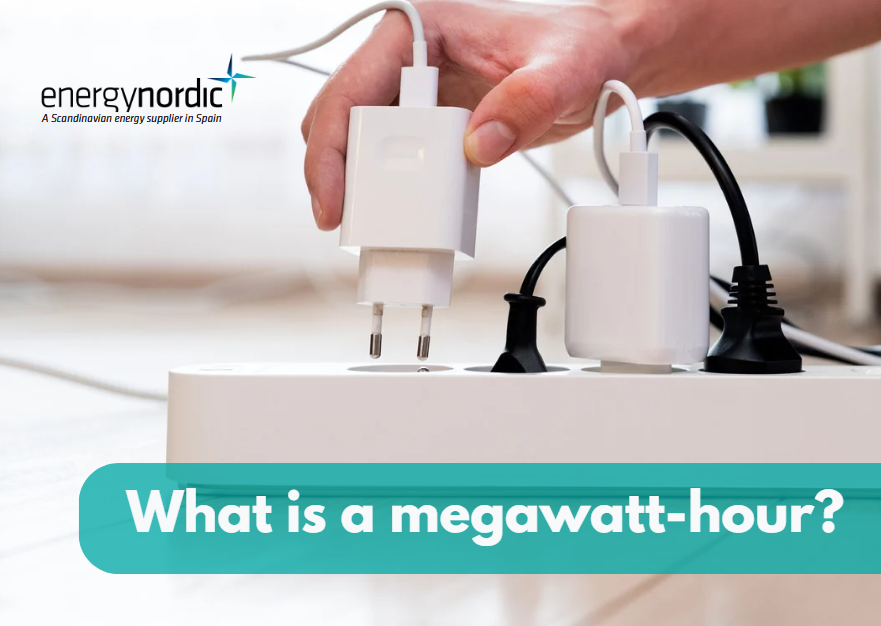
A megawatt-hour (MWh) is a unit of energy that tells us how much electricity is used in one hour. For example, if you use an 800-watt microwave for an hour, you will consume 0.8 kilowatt-hours (kWh) of electricity. This helps you understand how your energy use adds up over time!
When are the most expensive and cheapest hours?
In Spain, electricity prices change depending on the time of day. Here are the three main periods:
Peak hours (P1)
- When: Monday to Friday, from 10:00 AM to 2:00 PM and from 6:00 PM to 10:00 PM.
- Why: These are the busiest times for electricity use, so the price is higher.
- Tip: Try to avoid using appliances that use a lot of energy during these hours.
Flat hours (P2)
- When: Monday to Friday, from 8:00 AM to 10:00 AM, from 2:00 PM to 6:00 PM, and from 10:00 PM to midnight.
- Why: These hours are cheaper than peak hours, but not as cheap as valley hours.
- Tip: If you need to use electricity, this is a good time to do so.
Valley hours (P3)
- When: From midnight to 8:00 AM (Monday to Friday) and all day on weekends.
- Why: These are the cheapest hours because less electricity is used during this time.
- Tip: If possible, use heavy appliances like washing machines or dishwashers during these hours to save more.
Quick reminder: While valley hours are usually the cheapest, the prices can change depending on demand and the market. It’s always a good idea to check for updates on the prices.
Flex Tariff
The Flex Tariff canges prices based on the time of day (P1 P2 and P3)
If you are out during de Day and only use electricity at night or on weekends, this tariff can help you save mone. Keep in mind that prices can vary as they depend on the market and other adjustments.
Monday to friday

Saturday, Sunday and national public holidays

- P3 Valley
- P2 Flat
- P1 Peak
Fixed Tariff
Choose our fixed rate and enjoy a stable price for your electricity!
No matter the time of day, pay the same rate for every KWH you use.Forget surprises and keep control of your bill. Simplify your life with a predictable plan! With our Flat Rate Plan you will have complete control over your energy costs.
Monday To Sunday
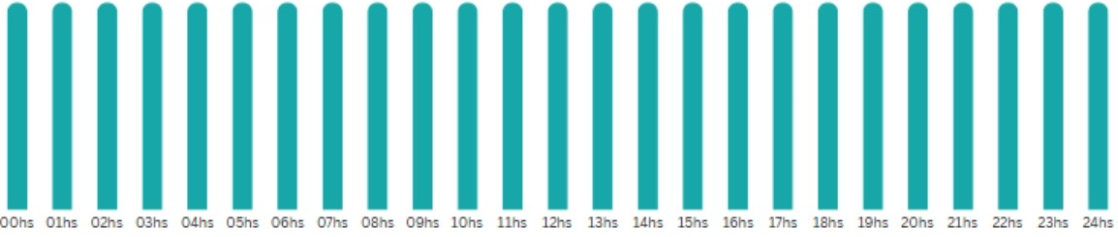
Energy Consumption Periods
Fixed Plana
Tools to help you save
At Energy Nordic, we’ve got you covered! We offer easy-to-use tools that show real-time electricity prices, so you can pick the best times to use your appliances and save money.
Got questions? We’re here to help!
We understand that electricity tariffs can be tricky to understand, especially if you’re new to them. Don’t worry! If you have any questions or need help saving on your bill, feel free to reach out. Our team is happy to guide you and explain things in a simple and clear way. We’re here to help you save!
What's the Difference Between a Kilowatt (kW) and a Kilowatt-Hour (kWh)?
Kilowatts determine the contracted power and the fixed charge you pay for electricity, while kWh indicates the amount of energy consumed through electricity or gas and determines the cost of your usage.
How can I calculate my MWh consumption?
To calculate your consumption in MWh:
- Add up your kWh usage.
- Divide the total by 1,000.
Example: a household that uses 3,000 kWh per month consumes 3 MWh.
I think my meter readings are incorrect, what should I do?
If you believe the readings sent by the distributor are incorrect, we can help you verify them. To do so, please send us photos of your meter. (1.18.1, 1.18.2, and 1.18.3 for 2.0 TD) (1.18.1 to 1.18.6 for 3.0 TD). Make sure the meter’s serial number is visible in all the photos provided. We will then file a claim with the distributor on your behalf and adjust the readings accordingly.
How many kWh are in a megawatt?
One megawatt hour (MWh) is equal to 1,000 kilowatt hours (kWh). This means that if a system generates 1 MWh of energy, it produces 1,000 kWh.
How many megawatts does a house consume per month?
A typical household consumes between 0.5 to 2 megawatt hours (MWh) per month, depending on the size of the home, the number of occupants, and energy usage habits. This is equivalent to 500 to 2,000 kWh.