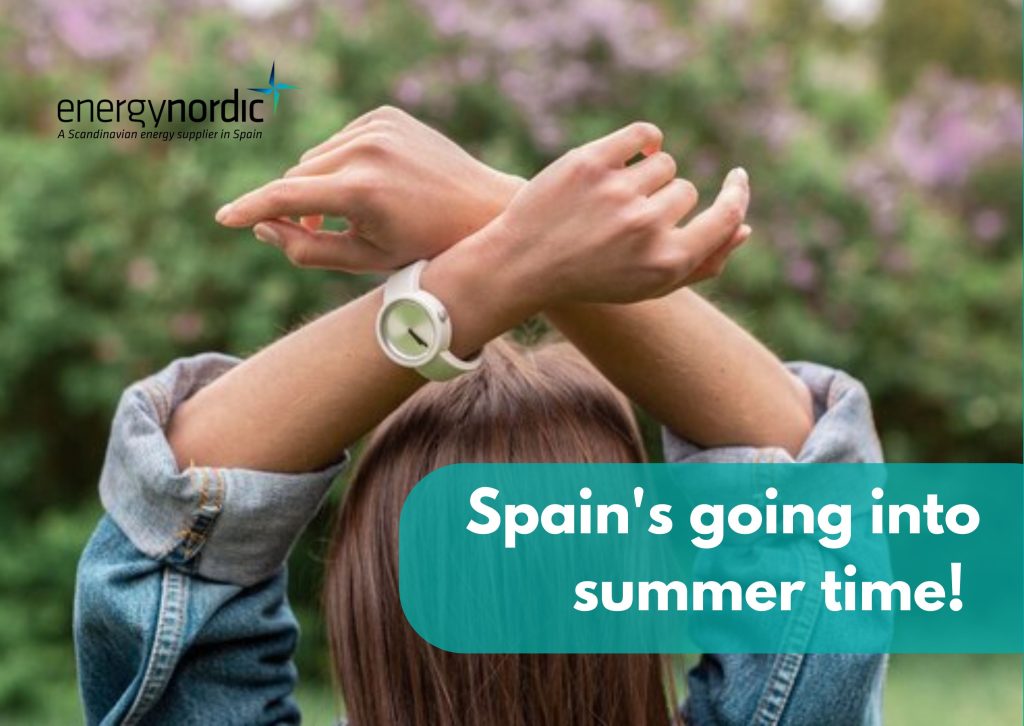
This weekend, Spain joins the shift to summer time. A move that, while familiar, involves an adjustment: we’re putting our clocks forward an hour. This modification, which grants us longer evenings and increased exposure to sunlight, has its roots in the pursuit of optimising the use of natural light and, at one point, contributing to energy savings.
Energy Savings: Is the Time Change Still Effective?
While the debate on the effectiveness of the time change in energy saving persists, especially in the era of LED lighting, its implementation remains a common practice in numerous countries. Beyond the figures, this time adjustment invites us to reflect on our relationship with time, light, and our impact on the planet. It’s an opportunity to consider how we synchronise our lives with natural rhythms, but also to be aware of the footprint we leave.
Environmental Benefits: More Than Just Saving Money
In this context, it’s important to remember that energy saving doesn’t just translate to an economic benefit, but also to a contribution to environmental sustainability. By reducing electricity consumption, we lessen the demand for fossil fuels and, therefore, greenhouse gas emissions. Furthermore, by making the most of natural light, we can mitigate light pollution, a growing problem that affects nocturnal wildlife and astronomical observation.
Longer Evenings in Spain: A Lifestyle and Cultural Bonus
For those of us who have found our home in Spain, especially in regions like the Costa del Sol, Málaga, or Alicante, this change takes on a particular meaning. The evenings become canvases where moments of serenity are painted: sunset walks on the beach, gatherings on terraces that extend into twilight, or the simple and comforting feeling of sunlight prolonging the warmth of our home.
Practical Tips for Adjusting to the Time Change
It’s understandable that this change generates diverse opinions. However, beyond the controversy, we can find in it an opportunity to adopt habits that allow us to make the most of natural light and minimise our environmental impact. For example, prioritising activities that require lighting during daylight hours, or using high energy consumption appliances during the day.
Solar Energy Benefits: A Golden Opportunity in Spain
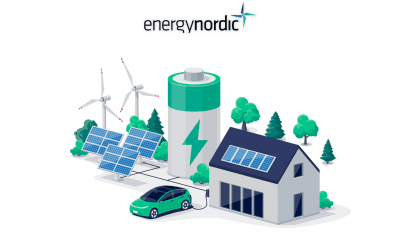
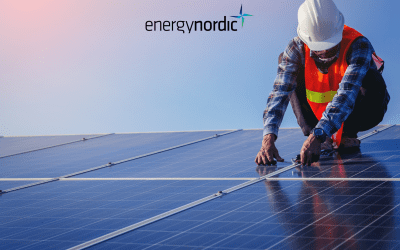
For those who have solar panels, the longer evenings represent an opportunity to maximise the generation of clean and renewable energy, especially in a region privileged by its abundant sunlight like the Costa del Sol. And, of course, keeping track of our energy consumption allows us to identify areas for improvement and contribute to a more efficient use of resources.
How Will You Make the Most of the Time Change?
In this context, we’re interested in knowing your perspectives. How do you plan to adapt your routines to this change? What strategies will you implement to make the most of the longer evenings and, at the same time, minimise your environmental footprint?